

Simply having a website is no longer enough. If your customers cannot find you on Google, you are losing business to competitors who can be found. That is where search engine optimisation, or SEO, comes in.
What is SEO?
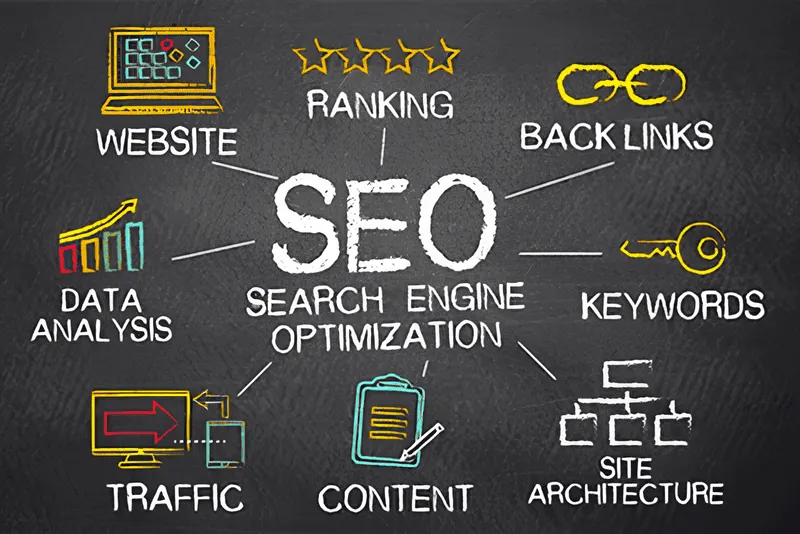
SEO is the process of improving your website so it ranks higher on search engines such as Google, Bing and Yahoo. It covers your content, speed, structure and keywords, and makes sure your site meets search engine guidelines and attracts the right audience.
How many people are searching?
Google receives over 63,000 searches every second. That works out at around 3.8 million a minute, 228 million an hour, 5.6 billion a day and at least 2 trillion a year. With that many people searching, there is a good chance your future customers are already looking for what you offer. The question is whether they find you, or a competitor.
A strong SEO strategy uses data, technical SEO and user intent to create content that answers what people are looking for and is easy for them to find.
What does SEO do?
A properly optimised website:
- Appears higher in search results for relevant keywords
- Attracts more organic traffic, meaning visitors who did not come from paid ads
- Builds trust and credibility with search engines and users
- Improves the user experience with faster load times and easy navigation
- Turns more visitors into paying customers
The benefits of an optimised website
- Increased visibility: the higher you rank, the more people see you
- Cost-effective marketing: unlike paid ads, organic traffic is not charged per click
- More leads and sales: higher rankings bring more visitors and better conversion rates
- A competitive edge: outrank competitors in your industry
- Local and wider reach: put your business in front of the right people, whether they are down the road or across the country
What good SEO includes
- Keyword research and optimisation: finding and targeting the search terms your customers use
- On-page SEO: optimising content, images and site structure
- Technical SEO: improving site speed, mobile friendliness and performance
- Local SEO: getting listed in Google Maps and local directories
- Backlink building: increasing your site authority with quality links
- SEO content writing: engaging, keyword-aware content that ranks
The bottom line
At Webnificent we do not just build websites, we make sure they work for you. Whether you are launching a new site or need a boost for an existing one, our SEO plans are designed for real, long-term results. You can build an instant estimate in our price calculator, or send us a message and we will talk it through.
What is SEO in plain English?
What is SEO? It stands for search engine optimisation: the work of making your website easy for Google to understand and attractive to the people searching. Good SEO helps the right customers find you when they search for what you offer, without you paying for each click. Asking what is SEO is the first step to being found online.
SEO has three parts: technical foundations such as speed and mobile design, content that answers what people are looking for, and trust signals such as reviews and links from other sites. None is a trick; together they make your site genuinely useful.
5 easy steps to get started with SEO
1. Know what customers search for. Write down the questions and phrases they use.
2. Write clear page titles and descriptions. Each page should say what it is about in a sentence.
3. Make the site fast and mobile-friendly. Most searches happen on phones.
4. Create helpful content. Answer real questions honestly and clearly.
5. Claim your Google Business Profile. For local businesses this is one of the most useful free steps.
Google publishes its own beginner guide, see Google’s SEO starter guide.
Why asking what is SEO is worth your time
If you have ever wondered what is SEO and whether your business needs it, the short answer is yes, if you want customers to find you online. Understanding what is SEO helps you ask better questions of anyone who builds or markets your website. Once you know what is SEO, you can judge whether a plan is sensible: clear titles, fast pages, helpful content and honest reporting rather than promises of overnight results.
Questions about SEO
How long does SEO take? It usually takes weeks or months to see steady results, which is why it is worth starting early.
Where can I get help? Every Webnificent website includes SEO groundwork, and we offer optional SEO plans. See our digital marketing and web design pages.
SEO in practice: websites we have designed

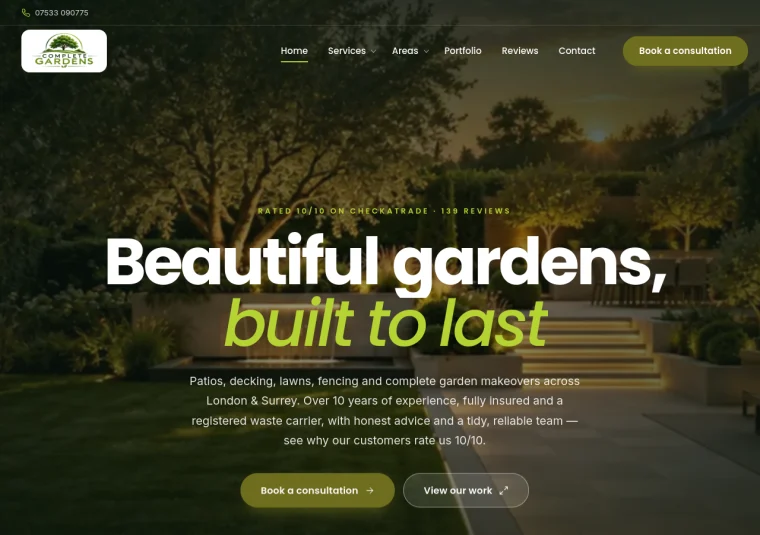
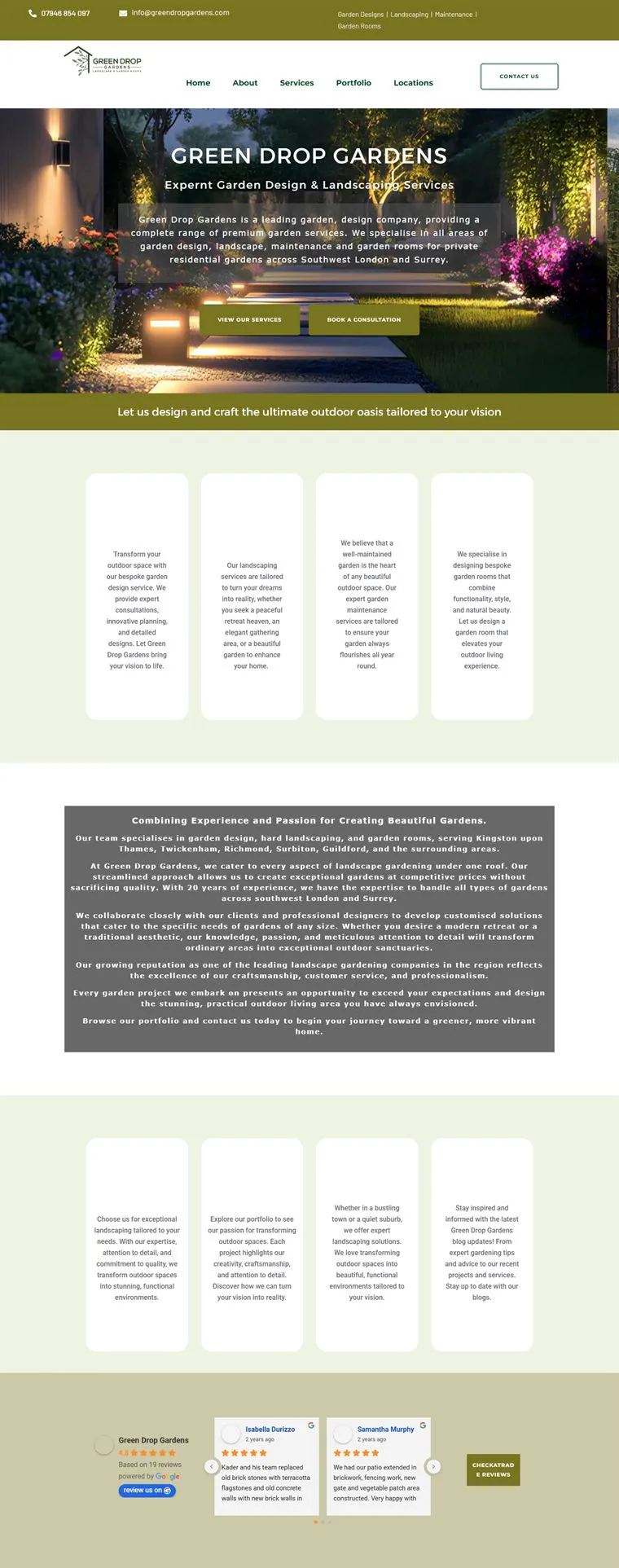
These are websites we designed. Get your free quote to see what SEO could do for your business.

Leave a Reply